MMA punishes a mouthguard in ways no other sport does. The same round can include a head kick, a clinch, a takedown, a ground-and- pound exchange, and a guillotine attempt — and every one of those moments stresses the guard differently. Here is what the gear actually has to do, and what working coaches at top US camps look for in a fighter's mouthguard.
What MMA does to a mouthguard
Strikes, clinches, scrambles, and ground exchanges produce four distinct stress patterns:
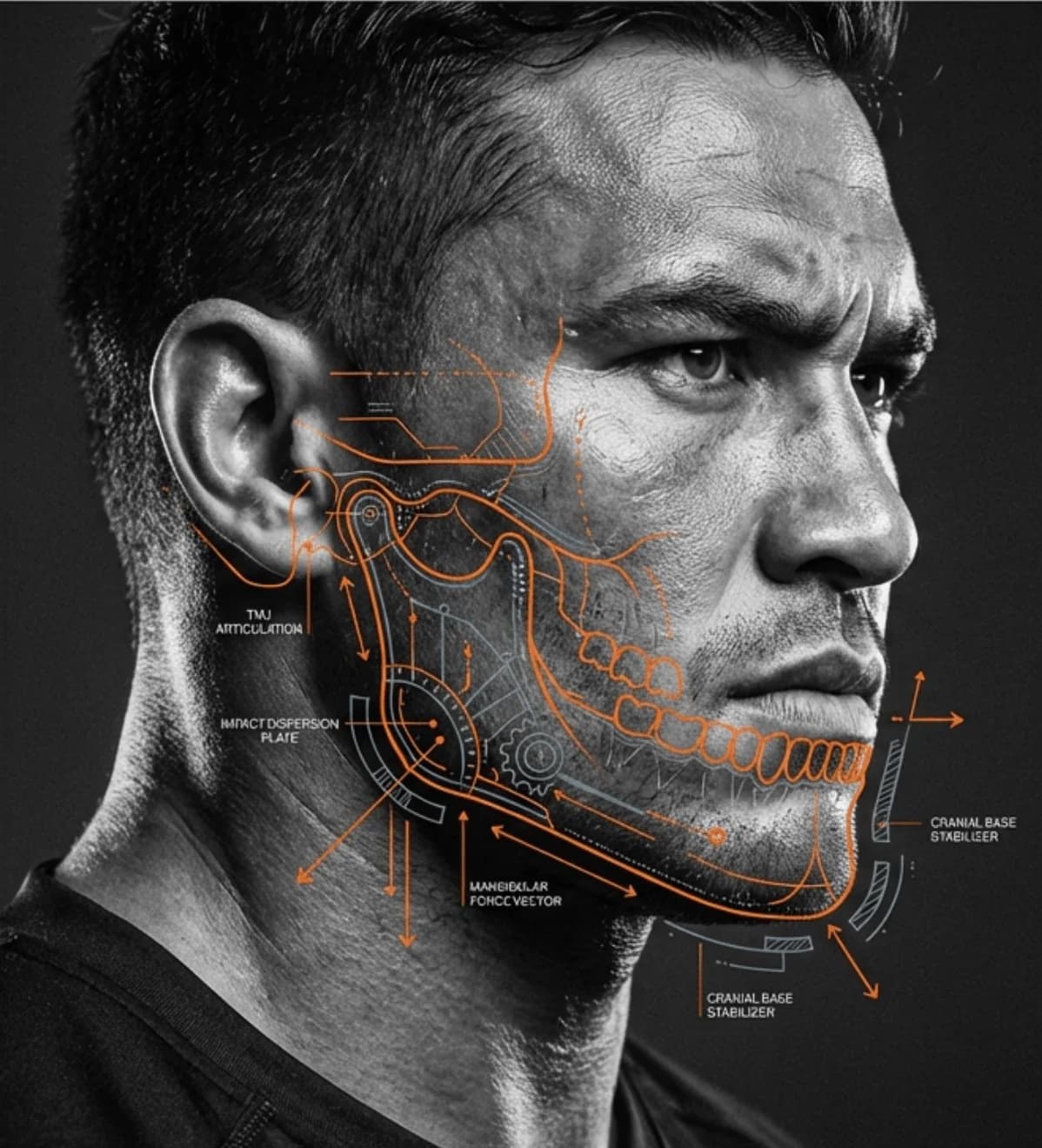
- Anterior strikes: straight punches and front kicks load force across the upper incisors. The guard has to spread the impact backwards along the dental arch into the molars.
- Lateral strikes: hooks, body kicks landing high, and elbow strikes load force from the side. The guard has to stay seated against rotational forces, not just compression.
- Clinch and pummel: repeated jaw clenching for control. The guard absorbs sustained bite force, not impact moments.
- Ground exchanges: face down against a forearm or a cage, the guard can shift if retention is poor — that is when fighters lose them mid-round and slip up later.
The non-negotiables
- Custom-fit only. Boil-and-bite is not an option at this level. See boil-and-bite vs custom for the protection mechanics.
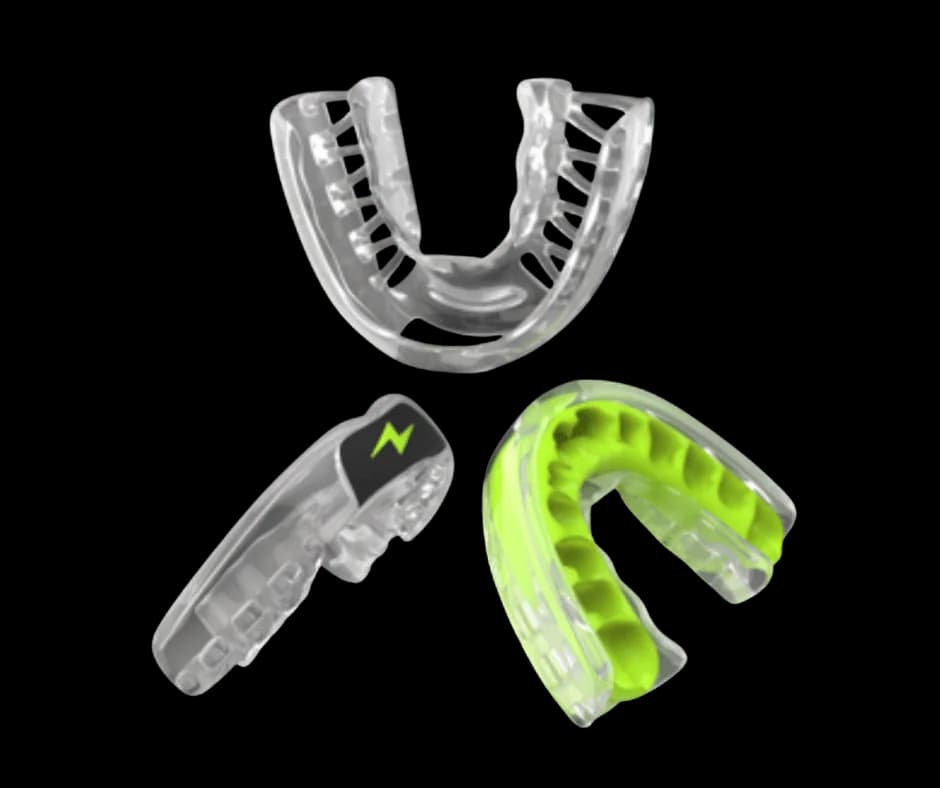
- Multi-layer construction. Pressure-laminated medical-grade EVA in three or more layers. Single-layer EVA is not combat-rated regardless of thickness.
- Retention under lateral load. The guard has to stay seated when the jaw is twisted off-axis, not just when you clench straight down.
- Clear anterior profile. No edges that catch on gloves, mat surfaces, or your opponent's wrist during a scramble.
- Open breathing channels. A guard you cannot breathe through is a guard you will spit out by round two.
Single or double-jaw?
Double-jaw guards exist and are marketed for combat sports. In practice almost every working coach we have spoken to prefers a single upper. Double guards restrict mouth opening — which matters when you have to communicate with your corner and breathe through your mouth in late rounds — and they tend to come apart at the bond line during clinch exchanges. Single-jaw upper is the default. If you have a structural reason for a double (TMJ issues, prior jaw fracture), your dentist will tell you.
Weight cuts and fit changes
A 5–10% body water drop during a weight cut does not normally change a mouthguard's fit, but extreme cuts (15%+ on water and sodium) can. If you cut hard, plan to take a fresh impression about 8 weeks before the bout while you are roughly at fight weight, not at walking weight. That way the impression captures your fight-week dental shape rather than your camp shape.
Breathing in round three
Anaerobic capacity in late rounds is partly determined by how much air you can move through your mouth. A guard with raised ridges across the biting surface and proper breathing channels moves significantly more air than a flat-surfaced boil-and-bite. Fighters routinely report a perceived cardio improvement after switching to custom — the cardio did not change, the airflow did.
Amateur vs professional inspection
Most US amateur MMA commissions and state athletic commissions inspect mouthguards at weigh-ins. The standard rules: no sharp-edged design elements, no all-red colour (mistaken for blood), and the guard has to be in good condition (no perforation, no chunks missing). Custom-fit guards from GumGear pass inspection everywhere we have shipped them.
Some pro commissions add: no graphic imagery (skulls, weapons, explicit text) for televised bouts. The GumGear customiser lets you render a fight-week version of your design — keep the unrestricted version for training and order a clean one for the cage. Same impression file; new design at order time.
Combat Guard, every time
For MMA, the answer is GumGear Combat Guard ($169). Contact Guard ($99) is the right tier for BJJ-only practitioners and contact-sport athletes, but the strike component of MMA needs the heavier multi-layer build of Combat Guard. The price difference between tiers is the layer count and the additional thickness over your incisors and molars — that is exactly the spec MMA needs.
Fight-camp procurement plan
- Week 0 (camp starts): order two Combat Guards from the same design. Same impression, two guards, identical fit. Use one for training, keep one sealed for fight night.
- Week 2: guards arrive. Wear the training guard for every session from this point on so you are adapted to it.
- Weeks 3–7: training. Inspect the guard monthly. Replace if you see perforation or fit loss.
- Week 8 (fight week): swap to the fresh guard. Pack both. Bring the training guard as backup.
Care under camp load matters more than usual — daily rinse, weekly deep clean, two guards in rotation. Full routine in mouthguard care, cleaning & replacement. For the broader combat-sport context, see mouthguards for combat sports.