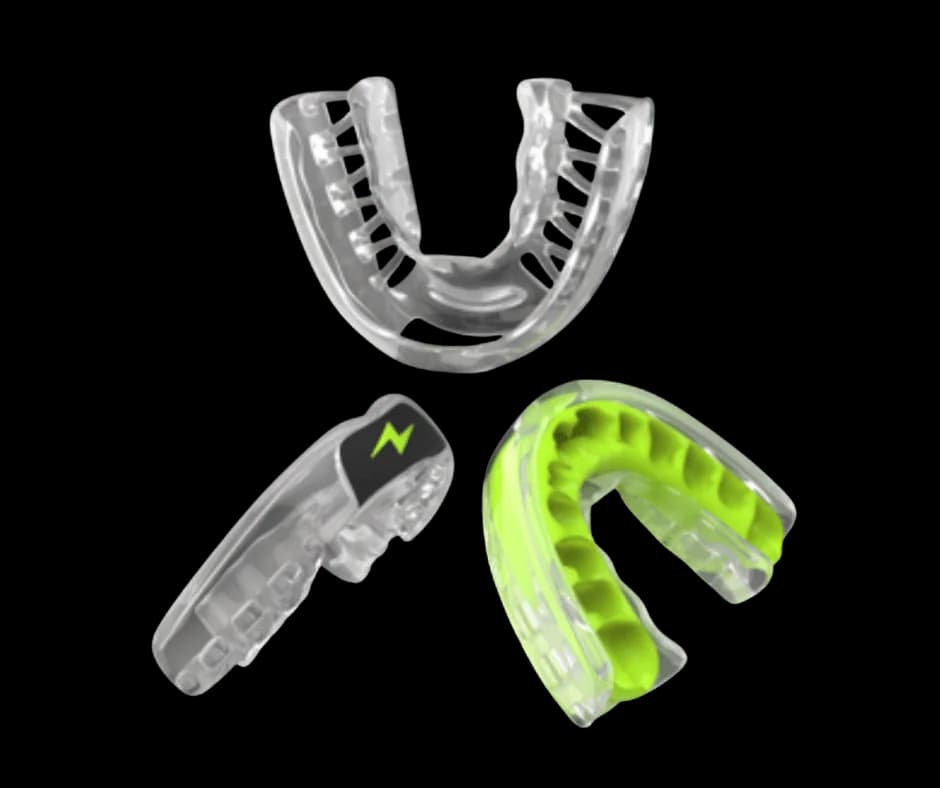
A mouthguard has a shelf-life whether or not it looks worn. The material breaks down predictably under bite force, saliva, heat, and UV exposure — and once it does, the guard stops protecting your teeth the way it did on day one. Here is how to tell when yours is done.
The short answer
Replace a combat-sports mouthguard every 3–9 months. Replace a contact-sports mouthguard every 6–12 months. Replace a night-guard every 12–24 months. Replace any guard sooner if you see visible wear, chips, loss of shape, or the fit starts feeling loose. Kids and teenagers who are still growing may need a new guard every 6 months regardless of how the existing one looks.
Replacement intervals by sport
- Combat sports (MMA, boxing, Muay Thai, kickboxing): 3–9 months. Heavy strike exposure tears down the outer layers of even multi-layer EVA. Replace sooner if you train 5+ times per week or compete frequently. For sport-specific guidance see the combat sports mouthguard guide.
- Contact sports (rugby, hockey, lacrosse, basketball, BJJ): 6–12 months. Less strike-heavy than combat, but chewing and clenching during hard play still wears the material.
- Scuba / regulator bite: 18–36 months for a custom regulator mouthpiece like Scuba Guard. Failure mode here is usually material fatigue from saltwater exposure, not impact — full guide in the custom scuba mouthpiece guide.
- Night-guards (bruxism): 12–24 months. Replace sooner if you grind heavily.
Wear signs that mean replace it now
- Visible wear: flattened bite ridges, holes, tears around edges, or bite marks fully perforating the material.
- Loose fit: the guard shifts during play, or you can push it out of place with your tongue. A custom-fit guard should stay in place without jaw pressure.
- Discolouration or smell: persistent odour or yellowing after cleaning indicates bacterial colonisation — see how to clean a mouthguard to confirm it is not a cleaning issue before replacing.
- Dental work: new fillings, crowns, braces, or significant orthodontic movement change the shape of your teeth. The guard will not fit the same way and needs a new impression.
- Still growing: kids and teens need a new impression and new guard every 6 months as their teeth shift.
How to make yours last longer
Care routine that extends the life of a mouthguard by months:
- Rinse with cool water after every use.
- Brush with a soft toothbrush and mild soap weekly. Skip toothpaste — the abrasives scratch the guard and degrade the material.
- Air-dry fully before putting it in the case. Trapped moisture is what grows bacteria and odour.
- Store in the ventilated case the guard shipped in.
- Never use hot water or the dishwasher — heat distorts the fit.
- Keep it out of hot cars and direct sun. The same heat distortion rule applies.
- Avoid alcohol-based mouthwash as a cleaning agent — it degrades EVA over time.
Full daily/weekly routine in the mouthguard care guide.
What "replace it sooner" actually means
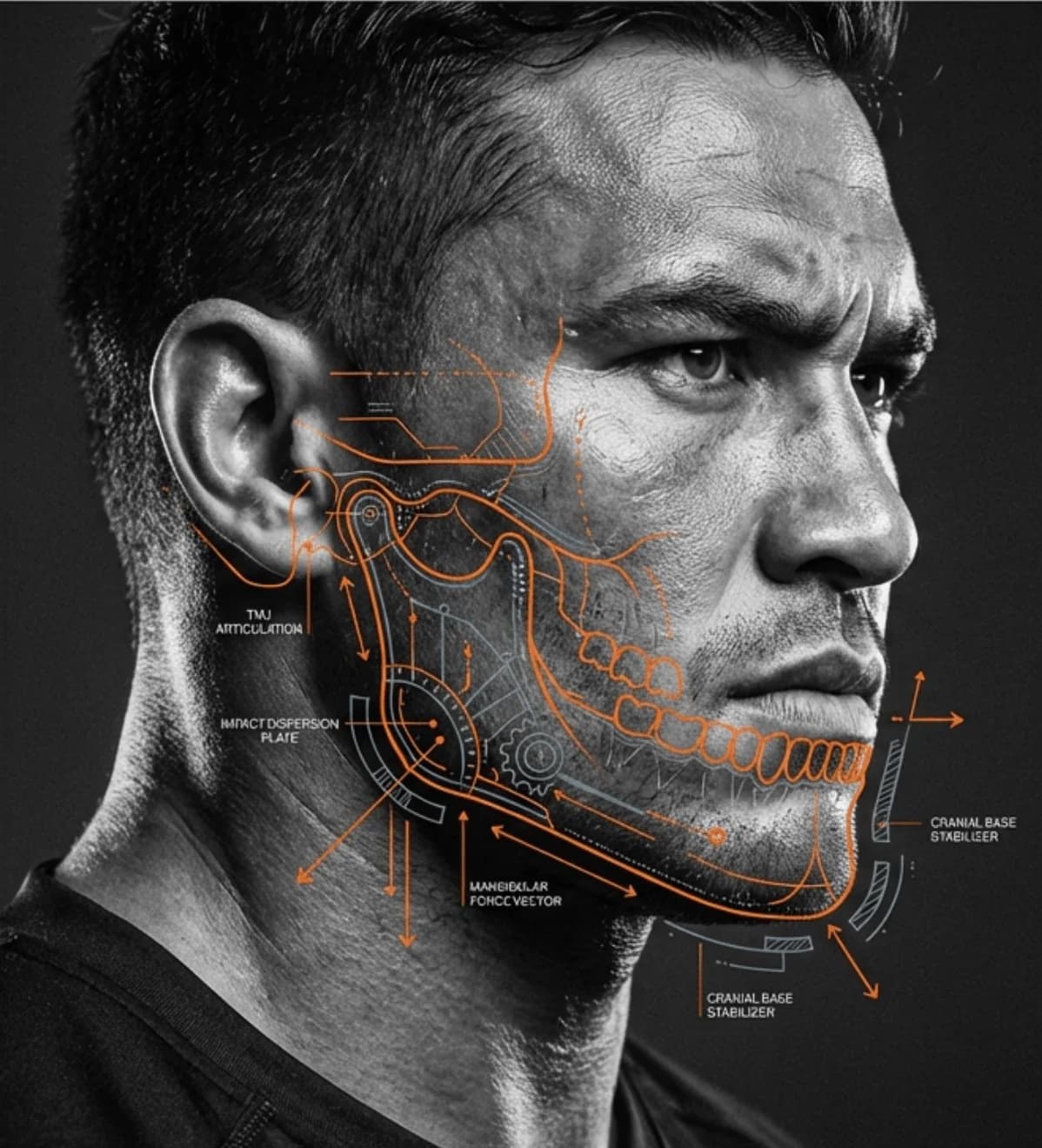
A worn guard is not just a cosmetic issue. Mouthguards protect teeth and jaw by distributing impact force evenly. Once the material thins, chips, or the fit loosens, the force concentrates on whatever part of your bite is still in contact. That is where chips and cracks happen, even though the athlete is "wearing a mouthguard."
For combat sports in particular, the 9-month outer bound assumes moderate training frequency. If you train 5 or more times per week or compete, plan to cycle through guards on a 3–6 month rhythm. Many fighters keep two guards on rotation so one is always airing out and the other is fight-ready.
Cost math: custom vs boil-and-bite
A $15 boil-and-bite replaced every 2 months runs you $90 a year — close to the cost of a single $99 Contact Guard that lasts the whole season. For Combat Guard ($169), the protection and fit difference per dollar-over-time is decisively in favour of custom-fit as soon as you are training regularly. The full breakdown is in are custom mouthguards worth it?